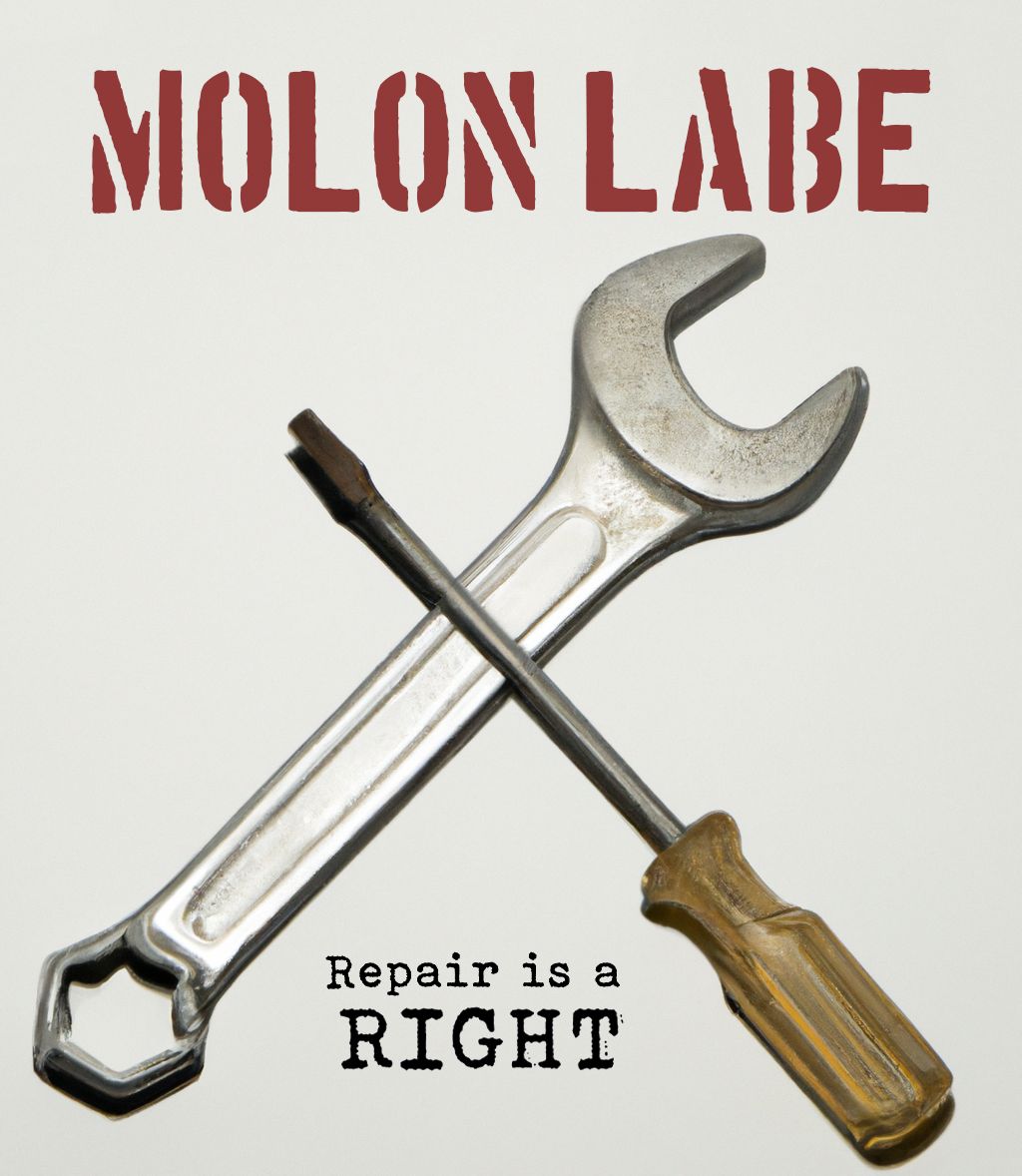
The right to understand and repair technology should extend all the way to the active devices inside it. Brian Greenforest calls for home-scale chipmaking that lets builders fabricate, inspect, reproduce, and improve the mechanisms their machines depend on.
That capability would connect behavioral design, artificial intelligence, quantum physics, materials, and manufacturing without requiring elite institutional access or secrecy agreements.
Ownership Begins at the Active Device
Board-level making still depends on packaged silicon that arrives as an opaque finished component. A complete maker stack needs a process for creating gain, switching, restoration, memory, and interconnection locally.
Open equipment plans, material recipes, device models, measurement methods, and failure analysis can turn chipmaking into teachable engineering rather than inaccessible industrial lore.
Bring Semiconductor Literacy Home
Local fabrication would expand repair culture into true technological ownership. Students could build a device, measure its behavior, connect it into logic, and follow the full path from physics to computation.
Educators, process engineers, makerspaces, and independent inventors can build this capability together. Teach the process, open the equipment, and let builders make the chip itself.
Build the Fabrication Path Behind Let Me Make a Chip at Home
The Missing Maker Fab carries this work into the tools and processes required to fabricate fast active devices locally.
LinkedIn status when archived: Visible to anyone on or off LinkedIn.
Well. Let me make a chip at home then, if there's such right? Let me to implement, without the Ivy League's intentional obscurity, behavioral design, AI, quantum physics?
People in power not only don't want you to repair stuff. They prefer you never can learn how to do it without signing an NDA, or more often than not... a security clearance! (Ithiel de Sola Pool example from Jil Lepore's masterpiece IF/THEN.)
They will spin you for eternity on the tip of their finger in this casino. Chill, and enjoy novelty and the thrill of 50/50 unpredictability! 😂 It's on purpose here.
#pinkglasses