A Life Inside the Architecture of Actors
Brian followed the Actor Model from 2003, learned Hewitt’s central role through Grigory Petrov in 2008, and later built high-performance actors with queued IOCP messages and metaprogrammed delegates.
He met Hewitt in person near the Googleplex in 2019 and joined the Friday-morning object-capability community known as FriAM. Hewitt’s Citadels work placed compute, inference, and storage at the edge for low-latency augmented reality.
The Ideas Continue to Build the Future
Actors isolate state and communicate through messages. Object capabilities make authority explicit, while incompleteness robustness lets large systems continue useful work without pretending that every participant knows the entire world.
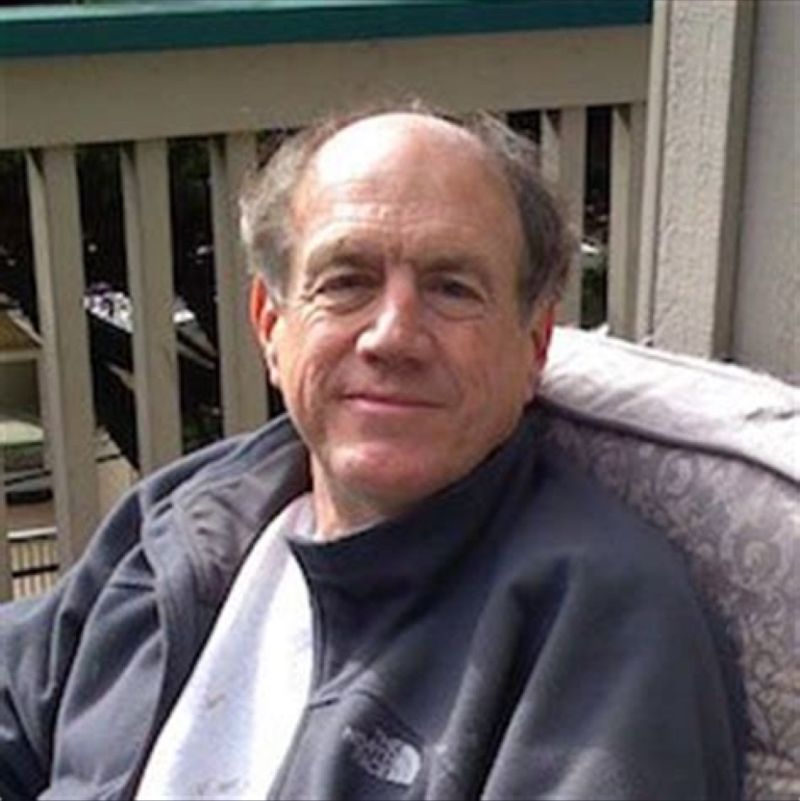
Hewitt died on December 7, 2022, at age 78. His conceptual insulation, reactive simplicity, and insistence on scalable agency continue through the systems and people he shaped. Carl Hewitt remains loved and remembered.
Comments added by Brian Greenforest on LinkedIn
These 2 comments were also preserved verbatim from Brian Greenforest’s LinkedIn data export or the public post page. All 2 attached images are localized below.
Comment 1 · (2023-12-07 18:30:13 UTC)
View the LinkedIn post
Comment 2 · (2023-12-07 18:31:59 UTC)
View the LinkedIn post